
Sauna Therapy and Longevity: What 20 Years of Research Reveals About Living Well
Few wellness interventions have been studied as rigorously or as longitudinally as sauna bathing. While many health claims in the wellness industry rest on short-term studies, mechanistic hypotheses, or anecdotal evidence, the research connecting regular sauna use to meaningful improvements in lifespan and healthspan spans decades, involves tens of thousands of participants, and has been published in some of the most respected peer-reviewed journals in medicine.
The case for sauna as a longevity tool is not built on speculation. It is built on some of the strongest observational data in preventive health research, supported by a deepening mechanistic understanding of why heat therapy produces the effects it does. For anyone designing a long-term wellness practice, or planning a wellness space that will be used daily for years and decades, understanding this research is essential.
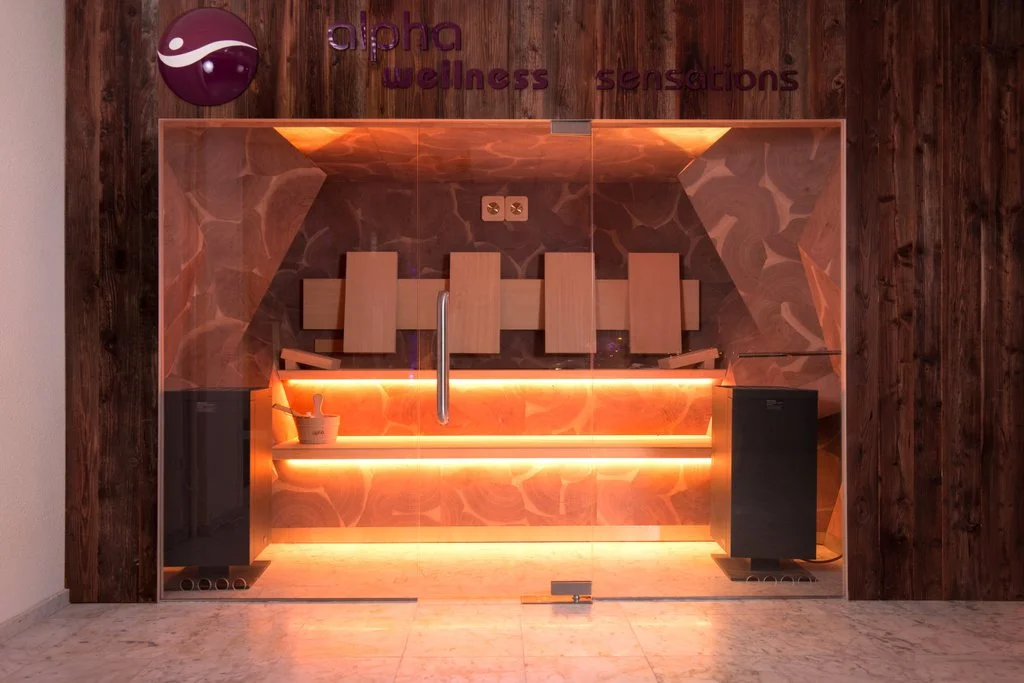
Alpha Wellness Sensations is a luxury wellness brand that designs and installs world-class infrared saunas for private residences, luxury estates, premium wellness centers, and high-end commercial facilities. Every installation is available in refined standard configurations or fully custom-designed, with a white-glove process from design consultation through installation, commissioning, and ongoing support.
The Finnish Research: A Foundation Unlike Any Other
The most comprehensive and frequently cited body of research on sauna and longevity comes from Finland, where sauna use is embedded so deeply in the culture that it represents one of the cleanest natural experiments in wellness science. Finnish sauna users are not a self-selecting wellness subculture: they are a general population, and the frequency of sauna use varies widely enough to allow meaningful comparison between low-frequency and high-frequency users over time.
The landmark KIHD study, published in JAMA Internal Medicine, followed 2,315 Finnish men over an average of 20 years and produced findings that genuinely surprised the medical community. Compared to men who used the sauna once per week, those who used it four to seven times per week had a 40 percent lower risk of all-cause mortality, a 50 percent lower risk of fatal cardiovascular disease, and a 63 percent lower risk of sudden cardiac death. The dose-response relationship was clear and consistent: more frequent sauna use was associated with progressively lower risk across every outcome measured.
These findings held after adjusting for the major confounders, including physical activity, smoking, alcohol use, BMI, and baseline cardiovascular health. The association between sauna frequency and reduced mortality was independent of these variables, meaning it was not simply a proxy for a generally healthier lifestyle.
How Sauna Use Protects the Heart and Vasculature
The cardiovascular benefits of regular sauna use have the strongest and most consistent evidence base of any longevity-related outcome. The mechanisms are well-understood and complementary.
Vasodilation and blood pressure reduction: During a sauna session, core body temperature rises and the blood vessels dilate significantly in response, increasing cardiac output and improving blood flow throughout the body. This passive cardiovascular challenge produces adaptations in vascular function that closely parallel those of moderate aerobic exercise. Research published in the American Journal of Hypertension found that regular sauna use was associated with significantly reduced systolic and diastolic blood pressure over time, with effects comparable in magnitude to those seen with antihypertensive medications.
Arterial stiffness: Arterial stiffness is one of the most important and independent predictors of cardiovascular mortality, and it increases with age as the arterial walls lose elasticity. Research published in the European Journal of Preventive Cardiology found that regular sauna use was associated with significantly lower arterial stiffness, suggesting that heat therapy actively preserves vascular elasticity over time. This is one of the most mechanistically compelling findings in the sauna longevity literature.
Inflammation reduction: Chronic low-grade inflammation is a central driver of cardiovascular disease, cognitive decline, and a range of aging-related conditions. Regular sauna use has been associated with measurably lower levels of C-reactive protein and other inflammatory markers, providing a plausible biological mechanism linking sauna frequency to the reduced disease risk observed in the Finnish cohort studies.
Heart rate variability: Heart rate variability (HRV) is an increasingly recognized biomarker of autonomic nervous system function and cardiovascular resilience. Higher HRV is consistently associated with better health outcomes and greater stress tolerance. The parasympathetic recovery response that follows regular sauna use appears to improve HRV over time, contributing to the kind of cardiovascular adaptability that protects against sudden cardiac events.
Sauna Use and Dementia Prevention
Perhaps the most striking finding in the sauna longevity literature is the association between regular sauna use and reduced risk of dementia and Alzheimer's disease. A prospective cohort study published in Age and Ageing followed the same Finnish population over a 20-year period and found that men who used the sauna four to seven times per week had a 65 percent lower risk of developing Alzheimer's disease and a 66 percent lower risk of any dementia diagnosis compared to men who used it once per week. Even two to three uses per week was associated with a 22 percent risk reduction.
These are remarkable numbers for any intervention, and they have generated significant interest in understanding the mechanisms behind them.
BDNF and neuroplasticity: Heat exposure stimulates the production of brain-derived neurotrophic factor (BDNF), a protein that supports the growth, maintenance, and plasticity of neurons. BDNF is strongly associated with cognitive resilience and resistance to neurodegeneration. Research published in Brain Research confirmed that heat stress activates BDNF pathways in multiple brain regions, providing a cellular mechanism for the neuroprotective effects observed in longitudinal studies.
Cerebral blood flow: The vasodilatory effects of sauna use improve circulation to the brain, which is essential for clearing metabolic waste via the glymphatic system and maintaining the delivery of oxygen and nutrients to neural tissue. Impaired cerebral circulation is an established contributor to cognitive decline and dementia risk.
Heat shock proteins: Repeated sauna use induces the production of heat shock proteins (HSPs), a class of proteins that play a critical role in cellular repair, protein quality control, and protection against the kind of cellular damage that accumulates with age. HSPs have been identified as a key mechanism in the longevity benefits of heat hormesis and are an active area of research in aging biology.
Respiratory and Pulmonary Health
The sauna's longevity benefits extend to the respiratory system. Research published in Respiratory Medicine found that frequent sauna use was associated with a significantly lower risk of developing pneumonia, with high-frequency users (four or more times per week) showing a 41 percent lower risk compared to once-weekly users. The proposed mechanisms include improved mucociliary clearance, reduced airway inflammation, and enhanced immune surveillance of the respiratory mucosa.
This finding is particularly relevant in the context of aging, as respiratory infections represent one of the leading causes of morbidity and mortality in older adults. The protective effect of sauna use on pulmonary health represents a meaningful contribution to healthy aging beyond the cardiovascular and neurological benefits.

Sauna as Exercise Mimicry: The Hormetic Principle
A central concept in longevity science is hormesis: the principle that controlled, repeated exposure to a moderate stressor produces adaptive responses that make the organism more resilient, more efficient, and ultimately longer-lived. Exercise is the most familiar example of hormesis in human biology, producing adaptations in cardiovascular fitness, muscle strength, metabolic efficiency, and immune function through the repeated application of a physiological stressor.
Sauna produces a strikingly similar hormetic response. The cardiovascular demand of heat exposure closely mimics that of moderate aerobic exercise, with heart rate elevating to 100 to 150 beats per minute during a typical sauna session. The cellular stress response triggered by heat, including the production of heat shock proteins and BDNF, parallels the cellular adaptations produced by exercise. For older adults, individuals with mobility limitations, or anyone whose exercise capacity is constrained by injury or chronic condition, sauna use offers a meaningful hormetic stimulus that is otherwise inaccessible.
Research published in Complementary Therapies in Clinical Practice confirmed that the cardiovascular and physiological responses to sauna use in older adults are broadly comparable to those of moderate exercise, supporting its role as a complementary or supplementary tool in a longevity-focused health practice.
Frequency Is the Most Important Variable
Across every longevity outcome studied in the Finnish research and the broader sauna literature, the single most consistent predictor of benefit is frequency of use. The difference between once-weekly and four-to-seven-times-weekly sauna use is not incremental: it is the difference between modest association and dramatically lower risk across cardiovascular disease, sudden cardiac death, and dementia.
This finding has a direct implication for anyone serious about using sauna as a longevity tool: the equipment needs to be accessible enough to use four to seven times per week without friction. A sauna that requires travel, scheduling, or cost-per-visit decisions will be used far less frequently than one that is installed in your home or facility. The research is compelling. The constraint is access.
Design Your Longevity Sauna with Alpha Wellness Sensations
Alpha Wellness Sensations designs and installs infrared saunas that are built for daily use, long-term performance, and the aesthetic and material standards expected in a luxury wellness environment. Our offerings are available in elevated standard configurations and as fully bespoke installations custom-designed to your architecture, material palette, and spatial vision.
Our white-glove team works with you, your architect, and your design team from the initial consultation through installation, commissioning, and dedicated ongoing aftercare. Every element of the installation is considered and precisely executed. The result is a sauna that invites daily use, performs at the highest therapeutic level for years and decades, and belongs in the space it occupies.
Ready to invest in one of the most evidence-supported longevity tools available? Contact Alpha Wellness Sensations today to schedule your design consultation and explore our standard and custom infrared sauna offerings.
The content provided within this article is for informational and educational purposes only and is based on research findings. It is not intended to be a substitute for professional medical advice, diagnosis, or treatment. Alpha Wellness Sensations is not operated by medical professionals, and no content found in this article should be interpreted as medical guidance. Always seek the advice of a qualified healthcare provider with any questions regarding your health. Never disregard professional medical advice or delay seeking it because of something you read here. Reliance on any information provided by Alpha Wellness Sensations is solely at your own risk.